Vintage Damask Scrapbook Vol. 3: A Designer's Guide to Timeless Texture
There’s a particular challenge in digital design: creating something that feels genuinely lived-in. We often work with pristine vectors and perfect pixels, but many projects—especially those aiming for warmth, history, or a personal touch—require a different kind of asset. This is where Vintage Damask Scrapbook Vol. 3 enters the conversation. It’s not a font, but a foundational set of design papers that solve a very specific problem: adding authentic, layered texture to your work without hours of manual creation or the risk of a sterile, digital look.
Understanding the Asset: More Than Just Patterned Paper
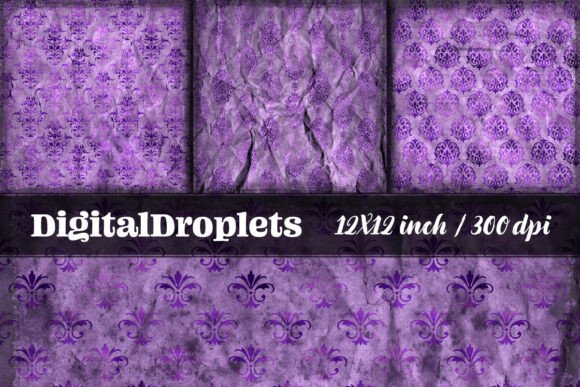
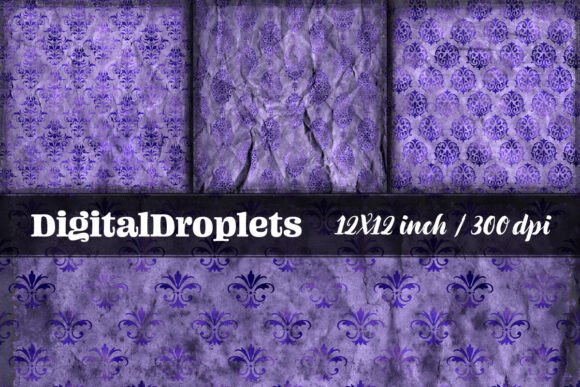
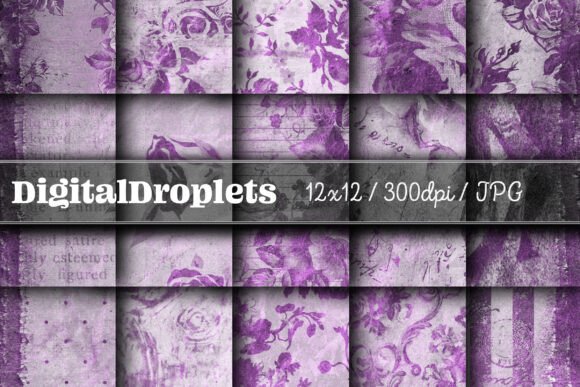
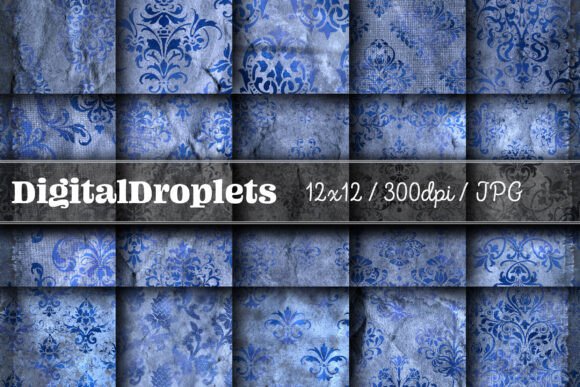
At its core, Vintage Damask Scrapbook Vol. 3 is a curated collection of 20 high-resolution 12x12 inch JPEG files, each at 300dpi. This resolution is critical. It means these papers are built for professional print applications—from standard scrapbook pages and invitations to larger-scale projects like wall art or packaging mockups—without any loss of clarity. The visual character is defined by two key layers: the intricate, ornate damask pattern and the subtle, aged paper texture beneath it. The damask motifs themselves carry a sense of formal elegance and historical reference, while the underlying paper texture grounds them, preventing the patterns from feeling overly polished or new. Each page also features a "shuffled papers" border effect, adding another dimension of collage-ready realism that designers often seek.
The personality of this set is one of refined nostalgia. It evokes the feeling of a well-preserved library, a vintage textile, or an heirloom document. This isn't the bright, kitschy retro of the 1950s; it's the deeper, more sophisticated aesthetic of 18th and 19th-century European decorative arts. This makes it incredibly versatile for projects that need to communicate heritage, quality, and a touch of romance.
Practical Applications Across Creative Fields
The true value of a design asset like Vintage Damask Scrapbook Vol. 3 is measured by its utility. Let’s break down where it genuinely shines.
For Crafters and Hobbyists
This is the most direct application. The papers are instantly usable for traditional and digital scrapbooking, creating visually rich backgrounds for photo albums. They are perfect for junk journaling, where the layered, slightly worn aesthetic is the entire point. Cut them into shapes for die-cuts, use them as the base for handmade cards, or print them for custom washi tape and gift wrap. The pre-designed borders are a particular time-saver, offering a built-in frame for photos or journaling blocks.
For Designers and Brand Strategists
This is where the asset moves from personal craft to professional tool. Consider its role in brand identity work for businesses in the artisanal, boutique, wedding, or heritage sectors. The textures can be used to create unique backgrounds for logo design presentations, adding context and mood. In packaging design, these papers can become the actual product packaging or serve as stunning mockup backgrounds that tell a story. For editorial design and web design, they can be used as subtle section backgrounds, featured image overlays, or to create cohesive social media graphics that stand out in a feed of flat, minimalist designs.
For Marketers and Content Creators
In digital marketing, texture can combat visual fatigue. Use these papers as backgrounds for quote graphics, webinar slides, or email headers to add depth and interest. For bloggers and publishers, they can transform a standard blog post into an immersive experience when used as a post background or for designing custom blog elements like sidebars or pull quotes. The key is using them as a design asset to build a recognizable and engaging visual language.
Making It Work: Integration and Pairing
Introducing a strong textured asset like this requires thoughtful integration. The goal is to enhance, not overwhelm.
- Typography Pairing is Crucial: Because the damask pattern is ornate, pairing it with a clean, modern sans serif font for body text creates essential contrast and ensures readability. For headlines, you could lean into the vintage theme with a classic serif font or a restrained script font. Avoid overly decorative or complex handwritten fonts that would compete with the pattern's detail.
- Use as a Focal Point, Not a Default: Not every element needs this texture. Use it strategically on hero images, key sections, or specific frames to draw the eye. This creates a stronger visual hierarchy.
- Color and Adjustment: While the papers come with their own color palette, don't forget post-processing. Applying a slight color overlay in your design software can help the textures better match a specific brand identity palette. Adjusting the brightness or contrast can push the texture more into the background or bring it forward.
- Consider the Narrative: Ask yourself: does this texture support the story I'm telling? For a law firm, probably not. For a boutique hotel, a artisan coffee brand, or a wedding photographer, absolutely. The Vintage Damask Scrapbook Vol. 3 set is a narrative tool.
Evaluating fit is straightforward. If your project calls for a sense of history, craftsmanship, elegance, or personalized warmth, this collection is a strong candidate. The included shuffled borders offer ready-made solutions, but the real power lies in using the core textures as a starting point for your own creative layering. Because the files are high-resolution JPEGs, they are universally compatible with virtually any design software, from Adobe Photoshop and Illustrator to Canva and Procreate. Always check the specific licensing for your intended use, especially for commercial projects.
In a landscape saturated with clean, vector-based modern typography, assets that provide genuine texture and depth become powerful differentiators. Vintage Damask Scrapbook Vol. 3 offers a focused, high-quality solution for designers and creators looking to inject their work with a timeless, tactile quality that resonates on a human level. It’s a practical toolkit for building more engaging and visually sophisticated projects.